Table of Contents:
Understanding Knowledge Management Dashboards
Knowledge Management Dashboards are essential tools that provide organizations with a structured way to manage, analyze, and visualize their knowledge assets. These dashboards serve as a centralized hub where information can be accessed, interpreted, and utilized effectively. By integrating various data sources, they help in streamlining knowledge sharing and ensuring that relevant information is readily available to users who need it.
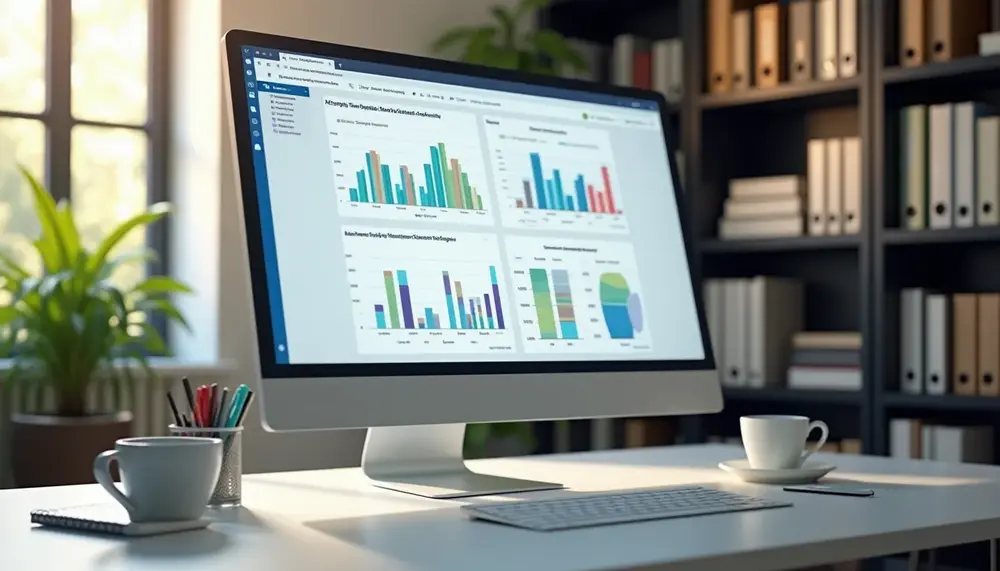
One of the key features of these dashboards is their ability to present data in an intuitive format. This includes metrics such as article views, user engagement, and search terms that are commonly used by employees. By presenting this information visually, organizations can quickly identify trends and patterns that may not be apparent through traditional reporting methods.
Moreover, Knowledge Management Dashboards facilitate better decision-making by providing real-time insights. When stakeholders can see how knowledge is being used and where it might be lacking, they can make informed decisions about training, content creation, and resource allocation. This proactive approach not only enhances operational efficiency but also drives continuous improvement within the organization.
In addition, these dashboards support collaboration among teams by making knowledge accessible to everyone. Instead of relying on fragmented systems or individual knowledge silos, employees can leverage shared information, fostering a culture of collaboration and collective problem-solving.
Ultimately, understanding Knowledge Management Dashboards is about recognizing their role in enhancing organizational knowledge flow. They empower teams to utilize data effectively, improve customer service, and drive innovation by ensuring that the right knowledge is always at hand.
Enhanced Decision-Making Capabilities
Implementing a Knowledge Management Dashboard significantly enhances decision-making capabilities within an organization. By consolidating relevant data into a single, accessible platform, these dashboards allow decision-makers to quickly analyze information and draw insights that guide strategic choices.
One of the most notable advantages is the ability to leverage real-time data. When stakeholders have access to up-to-the-minute statistics and trends, they can respond swiftly to changing conditions. This agility is crucial in fast-paced environments where delayed decisions can result in missed opportunities.
Furthermore, dashboards facilitate data visualization, transforming complex datasets into easily understandable graphs and charts. This visual representation helps users identify patterns, correlations, and anomalies at a glance, making it simpler to evaluate the effectiveness of current strategies or to spot areas needing improvement.
Another aspect is the ability to track key performance indicators (KPIs). Organizations can define specific metrics that align with their objectives, such as customer satisfaction scores or article usage rates. Monitoring these KPIs provides ongoing feedback on performance, enabling teams to make informed adjustments to their approaches as necessary.
Moreover, knowledge dashboards can incorporate predictive analytics, which uses historical data to forecast future outcomes. This foresight allows organizations to plan proactively, allocate resources more efficiently, and mitigate risks before they escalate into significant issues.
In summary, Knowledge Management Dashboards empower organizations to make data-driven decisions, fostering a culture of informed decision-making that enhances overall efficiency and effectiveness.
Pros and Cons of a Knowledge Management Dashboard
| Advantages | Disadvantages |
|---|---|
| Enhances decision-making capabilities with real-time insights. | Initial implementation may require significant time and resources. |
| Improves knowledge sharing among teams. | Users may face a learning curve when adapting to the new system. |
| Increases efficiency in customer support through quicker information retrieval. | Ongoing maintenance and updates are necessary to keep information current. |
| Facilitates identification of knowledge gaps and opportunities. | Requires commitment from management to drive adoption across the organization. |
| Promotes a culture of collaboration and continuous improvement. | Potential resistance to change from employees accustomed to existing processes. |
Improved Knowledge Sharing Among Teams
Improved knowledge sharing among teams is one of the standout benefits of implementing a Knowledge Management Dashboard. By creating a centralized platform for information, organizations can break down silos that often hinder effective communication and collaboration.
These dashboards facilitate seamless access to valuable resources, enabling team members to quickly find the information they need without unnecessary delays. This immediate access fosters a culture of transparency and encourages knowledge exchange, which is vital for innovation and problem-solving.
Key features that enhance knowledge sharing include:
- Search Functionality: Advanced search options allow users to locate specific documents, articles, or data points swiftly, reducing the time spent searching for information.
- Collaboration Tools: Integrated tools, such as comment sections or discussion boards, enable users to share insights and feedback directly within the dashboard, promoting dialogue and shared understanding.
- Content Categorization: By organizing information into categories or tags, teams can easily navigate through relevant knowledge, making it simpler to find related resources.
Moreover, dashboards often include features that highlight trending topics or frequently accessed materials. This visibility can guide teams on what knowledge is currently relevant and encourage them to engage with it actively.
In addition, the ability to share insights and best practices across departments enhances overall organizational learning. When teams see how others are solving problems or implementing strategies, they can adopt these approaches, leading to improved performance across the board.
Ultimately, enhanced knowledge sharing not only boosts efficiency but also nurtures a collaborative culture that is essential for organizational success. With a Knowledge Management Dashboard, teams are better equipped to leverage collective intelligence, driving innovation and achieving their goals more effectively.
Real-Time Insights into Knowledge Utilization
Real-time insights into knowledge utilization are a game-changer for organizations aiming to enhance their efficiency and effectiveness. With a Knowledge Management Dashboard, teams can access immediate data regarding how knowledge resources are being used across the organization.
One of the significant benefits of real-time insights is the ability to monitor usage patterns. For instance, organizations can identify which knowledge articles are frequently accessed and which are rarely consulted. This information helps to prioritize content updates and ensures that valuable resources are promoted effectively. Additionally, it can reveal the most common queries or issues faced by users, enabling teams to address gaps in available knowledge proactively.
Another critical aspect is the ability to track engagement levels. Real-time metrics on user interactions provide insights into how engaged employees are with the knowledge resources. High engagement rates may indicate that the content is relevant and useful, while low engagement could signal the need for revisions or additional training on how to access and use the knowledge base.
Furthermore, these insights can aid in assessing the impact of knowledge management initiatives. Organizations can evaluate whether changes in knowledge availability lead to improvements in performance metrics, such as reduced resolution times in customer support or increased employee productivity. This feedback loop is vital for refining strategies and maximizing the return on investment in knowledge management efforts.
In summary, real-time insights into knowledge utilization empower organizations to make informed decisions about their knowledge management strategies. By leveraging this data, businesses can continuously improve their knowledge resources, ensuring that they meet the evolving needs of their teams.
Identification of Knowledge Gaps and Opportunities
Identifying knowledge gaps and opportunities is a crucial aspect of effective knowledge management. A Knowledge Management Dashboard plays a pivotal role in this process by providing actionable insights that help organizations understand where their knowledge resources may be lacking.
One of the primary ways these dashboards facilitate gap identification is through analytics on user interactions. By examining which articles or resources are frequently searched but not accessed, organizations can pinpoint areas where knowledge is either insufficient or outdated. This data-driven approach enables teams to prioritize content creation and updates based on actual user needs.
Furthermore, dashboards can reveal trends in search queries. If certain topics consistently generate high search volumes without corresponding resources, this indicates a clear opportunity for development. Organizations can proactively create content that addresses these interests, ensuring they meet the evolving demands of their users.
Another valuable feature is the ability to assess feedback and ratings on existing knowledge articles. High engagement coupled with low satisfaction ratings signals that while users are seeking information, the available resources may not be meeting their expectations. This feedback loop allows organizations to refine their knowledge offerings continuously.
Additionally, by analyzing performance metrics related to knowledge utilization, such as resolution times in customer service scenarios, organizations can identify gaps in their knowledge that may be affecting overall performance. Addressing these gaps can lead to improved efficiency and customer satisfaction.
In summary, leveraging a Knowledge Management Dashboard to identify knowledge gaps and opportunities empowers organizations to enhance their knowledge base actively. This proactive approach not only optimizes resource allocation but also fosters a culture of continuous improvement and responsiveness to user needs.
Increased Efficiency in Customer Support
Increased efficiency in customer support is a direct benefit of implementing a Knowledge Management Dashboard. By providing support teams with easy access to relevant knowledge resources, these dashboards streamline the process of resolving customer inquiries and issues.
One way this efficiency is achieved is through faster resolution times. When customer service representatives can quickly find the information they need—be it troubleshooting steps, product details, or company policies—they can resolve customer queries more swiftly. This leads to shorter wait times for customers, enhancing their overall experience.
Additionally, dashboards can help in reducing repetitive inquiries. By analyzing common questions and the corresponding knowledge articles, organizations can identify trends in customer requests. This insight allows them to create self-service resources, such as FAQs or chatbots, that empower customers to find answers independently, further lightening the load on support teams.
Moreover, the ability to track response quality is another significant advantage. By evaluating customer feedback and resolution effectiveness, organizations can ensure that support representatives are not just quick, but also accurate in their responses. Continuous monitoring of these metrics fosters a culture of improvement, as teams can learn from past interactions and refine their approaches.
Furthermore, the integration of collaborative tools within the dashboard allows team members to share insights and best practices in real time. This collaboration enhances the collective knowledge base and equips representatives with diverse strategies for addressing customer concerns, thereby increasing overall efficiency.
In summary, the implementation of a Knowledge Management Dashboard significantly enhances customer support efficiency. By streamlining access to information and facilitating collaboration, organizations can provide faster, more effective service to their customers, ultimately leading to higher satisfaction and loyalty.
Measurable Impact on Employee Performance
The measurable impact on employee performance is a significant advantage of utilizing a Knowledge Management Dashboard. By providing easy access to vital information and resources, these dashboards empower employees to perform their tasks more effectively and efficiently.
One of the key factors contributing to this impact is the enhancement of skill development. With readily available knowledge resources, employees can engage in self-directed learning. This not only helps them acquire new skills but also increases their confidence in handling various tasks. As a result, employees become more competent in their roles, which directly influences their performance.
Moreover, the dashboard facilitates improved accountability. By tracking usage metrics, organizations can identify which employees are actively engaging with knowledge resources and which may need additional support. This visibility allows managers to provide targeted assistance and training, ensuring that all employees have the tools they need to excel.
Additionally, the dashboard promotes a culture of collaboration and knowledge sharing. When employees share insights and resources, it leads to a collective enhancement of skills and knowledge within teams. This collaborative environment encourages individuals to learn from one another, driving overall performance improvements.
Another important aspect is the ability to set and track performance metrics related to knowledge utilization. Organizations can measure the correlation between effective knowledge management practices and employee productivity. By analyzing this data, they can make informed decisions to optimize their knowledge strategies and further enhance performance.
In summary, a Knowledge Management Dashboard contributes to measurable improvements in employee performance by facilitating skill development, promoting accountability, encouraging collaboration, and enabling the tracking of performance metrics. This holistic approach not only benefits individual employees but also enhances overall organizational effectiveness.
Customization and Flexibility of Dashboards
The customization and flexibility of Knowledge Management Dashboards are pivotal in tailoring the user experience to meet specific organizational needs. These dashboards can be configured to display relevant metrics, ensuring that users can focus on the information that matters most to them.
One of the key aspects of customization is the ability to create personalized views. Users can select which metrics they want to monitor, arrange the layout to their preference, and even set up alerts for particular data changes. This level of personalization helps in streamlining workflows and enhances user engagement with the dashboard.
Moreover, dashboards can incorporate role-based access controls. Different teams or individuals can be granted access to specific data sets relevant to their functions. For example, customer support teams might focus on metrics related to article usage and customer feedback, while management can access broader performance indicators. This ensures that each user has the tools they need without being overwhelmed by irrelevant information.
Additionally, the integration capabilities of these dashboards allow for seamless connectivity with other systems and applications. Organizations can pull data from various sources, whether it's CRM systems, project management tools, or external databases. This flexibility not only enriches the data presented but also provides a more comprehensive view of organizational performance.
Furthermore, organizations can adapt the dashboards to reflect changing business priorities. As new goals emerge or as projects evolve, the dashboard can be quickly modified to align with current objectives. This adaptability ensures that the dashboard remains a relevant tool for decision-making and performance tracking.
In summary, the customization and flexibility of Knowledge Management Dashboards empower organizations to create tailored experiences that enhance user engagement, improve accessibility to pertinent information, and adapt to evolving business needs. This ultimately leads to better-informed decisions and a more efficient knowledge management process.
Facilitation of Continuous Improvement Processes
The facilitation of continuous improvement processes is a vital benefit of implementing a Knowledge Management Dashboard. These dashboards not only provide insights into current knowledge utilization but also serve as a catalyst for ongoing enhancement across various organizational functions.
One way they contribute to continuous improvement is by offering real-time feedback on knowledge resources. By monitoring how effectively information is being used, organizations can identify areas that require updates or enhancements. This iterative process ensures that knowledge remains relevant and useful over time.
Additionally, dashboards enable the collection of user feedback directly from employees interacting with knowledge resources. By integrating feedback mechanisms, organizations can gather insights about the effectiveness of existing materials and any obstacles users may face. This direct input is invaluable for making informed decisions about content development and resource allocation.
Furthermore, the ability to analyze performance metrics related to knowledge management allows organizations to measure the impact of their initiatives. By establishing key performance indicators (KPIs), businesses can assess how knowledge resources contribute to overall performance improvements. Regularly reviewing these metrics provides a clear picture of progress and areas needing attention.
Moreover, the dashboards facilitate collaborative improvement efforts among teams. When employees can easily share best practices and learnings, they contribute to a culture of continuous improvement. This collaborative environment encourages innovation and the adoption of new strategies that enhance overall performance.
In summary, Knowledge Management Dashboards play a crucial role in facilitating continuous improvement processes by providing real-time feedback, enabling user input, analyzing performance metrics, and promoting collaboration. These elements collectively drive the evolution of knowledge resources, ensuring they meet the changing needs of the organization.
Integration with Existing Systems and Tools
Integration with existing systems and tools is a crucial feature of Knowledge Management Dashboards, enhancing their effectiveness and usability across organizations. Seamless integration ensures that knowledge resources are not siloed but instead connected to the broader technological ecosystem of the organization.
One of the primary advantages of this integration is the ability to centralize data from various sources. Organizations often utilize multiple systems, such as CRM platforms, project management tools, and communication applications. By integrating these systems with the dashboard, users can access a unified view of information, reducing the need to switch between different applications and improving overall productivity.
Moreover, integration facilitates automated data updates. When knowledge resources are linked to existing systems, any changes or new information can be automatically reflected in the dashboard. This dynamic updating ensures that users always have access to the most current data without manual input, minimizing the risk of errors and outdated content.
Another important aspect is the capability for enhanced reporting and analytics. By pulling data from various tools, dashboards can generate comprehensive reports that provide deeper insights into knowledge usage and performance metrics. This holistic view allows organizations to make informed decisions based on a broader context rather than isolated data points.
Additionally, integration supports improved collaboration among teams. When knowledge management systems are connected to communication tools, employees can share insights and updates in real-time. This interconnectedness fosters a collaborative culture, as team members can easily leverage each other's expertise and knowledge.
In summary, the integration of Knowledge Management Dashboards with existing systems and tools significantly enhances their functionality. By centralizing data, automating updates, improving reporting, and fostering collaboration, organizations can maximize the value of their knowledge assets and streamline workflows across departments.
Data-Driven Strategies for Knowledge Management
Data-driven strategies for knowledge management are essential for organizations aiming to enhance their operational efficiency and decision-making capabilities. By leveraging data analytics, businesses can optimize their knowledge resources and ensure that they align with organizational goals.
One effective approach is to establish key performance indicators (KPIs) that measure the effectiveness of knowledge management initiatives. These KPIs can include metrics such as user engagement rates, content utilization, and the impact on customer satisfaction. By regularly monitoring these indicators, organizations can identify which strategies are working and which need adjustment.
Additionally, utilizing predictive analytics can provide insights into future trends and challenges. By analyzing historical data, organizations can anticipate areas where knowledge gaps may arise and proactively address them. This foresight enables teams to allocate resources effectively and prioritize content development that meets emerging needs.
Moreover, conducting regular data audits helps organizations assess the relevance and accuracy of their knowledge resources. This process involves reviewing existing content to ensure it is up-to-date and valuable. Insights gained from these audits can inform decisions about which materials should be revised, archived, or enhanced.
Another critical strategy is to implement feedback loops that involve users in the knowledge management process. Encouraging employees to provide input on the usefulness of resources creates a more dynamic knowledge base. This participatory approach not only enhances content quality but also fosters a sense of ownership among users.
In conclusion, adopting data-driven strategies for knowledge management allows organizations to make informed decisions, optimize resource allocation, and continuously improve their knowledge offerings. By leveraging analytics, feedback, and performance metrics, companies can create a robust knowledge management framework that supports their strategic objectives.
Boosting Employee Engagement and Satisfaction
Boosting employee engagement and satisfaction is a critical outcome of implementing a Knowledge Management Dashboard. By providing access to relevant resources and streamlining workflows, organizations can create an environment where employees feel more connected and empowered in their roles.
One significant factor contributing to this engagement is the ability of employees to take ownership of their learning. With a wealth of knowledge at their fingertips, individuals can explore topics that interest them, enhancing their skills and competencies at their own pace. This autonomy fosters a sense of responsibility and motivation, as employees see direct benefits from their engagement with the knowledge base.
Moreover, dashboards can facilitate recognition and rewards for employees who actively contribute to the knowledge management process. By tracking contributions and usage metrics, organizations can acknowledge those who share valuable insights or create high-quality content. This recognition can boost morale and encourage a culture of collaboration, where team members are motivated to support each other.
Additionally, having a centralized knowledge resource helps reduce frustration among employees. When they can quickly find answers to their questions or access necessary information, it minimizes disruptions in their workflow. This efficiency leads to higher job satisfaction, as employees spend less time searching for information and more time focusing on their core responsibilities.
Furthermore, fostering a culture of continuous feedback through the dashboard allows employees to voice their opinions on the resources available. When organizations actively seek input and make adjustments based on feedback, it enhances the sense of community and belonging. Employees are more likely to feel valued when they see that their opinions have a tangible impact on the knowledge management strategy.
In conclusion, implementing a Knowledge Management Dashboard significantly boosts employee engagement and satisfaction by empowering individuals, fostering recognition, reducing frustration, and encouraging continuous feedback. These elements contribute to a more motivated workforce and a collaborative organizational culture.
Enhanced Collaboration Across Departments
Enhanced collaboration across departments is a vital outcome of implementing a Knowledge Management Dashboard. These dashboards create a shared platform that fosters communication and information exchange, breaking down traditional silos that often exist between teams.
One significant benefit is the ability to centralize knowledge resources. When all departments have access to the same information, it promotes consistency and ensures that everyone is on the same page. This centralized access helps in aligning strategies and goals, leading to more cohesive efforts across the organization.
Furthermore, dashboards facilitate cross-departmental projects by providing a platform where teams can collaborate on shared goals. Employees from different departments can contribute their expertise, leading to innovative solutions and a more comprehensive understanding of challenges. This collaboration not only enhances project outcomes but also strengthens interdepartmental relationships.
Another important aspect is the availability of real-time updates. Departments can share insights and developments instantly, which is crucial for projects that require quick adjustments based on new information or feedback. This agility allows teams to respond effectively to changes, enhancing overall productivity.
Additionally, incorporating collaborative tools within the dashboard, such as discussion forums or shared document repositories, encourages ongoing dialogue among departments. This engagement fosters a culture of teamwork and shared responsibility, where employees feel more connected and invested in the organization’s success.
In summary, the implementation of a Knowledge Management Dashboard significantly enhances collaboration across departments by centralizing resources, facilitating cross-departmental projects, providing real-time updates, and promoting ongoing dialogue. These elements contribute to a more integrated and effective organizational structure.
Streamlined Reporting and Analytics
Streamlined reporting and analytics are essential components of a Knowledge Management Dashboard, providing organizations with the tools they need to make informed decisions based on data. These dashboards simplify the reporting process, enabling users to generate insightful reports without extensive manual effort.
One of the key advantages of streamlined reporting is the ability to create customizable reports. Users can select specific metrics and data points that align with their objectives, allowing for tailored insights that meet the unique needs of various departments. This customization ensures that stakeholders receive relevant information that directly supports their decision-making processes.
Additionally, the integration of visual analytics enhances the clarity of reports. By presenting data in graphical formats such as charts and graphs, organizations can quickly identify trends, patterns, and anomalies. This visual representation aids in grasping complex information at a glance, facilitating faster comprehension and more effective communication among team members.
Moreover, these dashboards often include automated reporting features, which can schedule regular updates and distribute reports to relevant stakeholders. This automation reduces the administrative burden on employees and ensures that decision-makers always have access to the latest data without manual intervention.
Another important aspect is the capacity for real-time analytics. By providing up-to-the-minute data, organizations can respond swiftly to changing circumstances and make timely adjustments to their strategies. This agility is crucial in dynamic business environments where conditions can shift rapidly.
In summary, the streamlined reporting and analytics capabilities of Knowledge Management Dashboards empower organizations to generate customized, visually engaging reports with real-time data. This functionality enhances decision-making efficiency and fosters a proactive approach to knowledge management.
Support for Training and Development Initiatives
Support for training and development initiatives is a significant benefit of implementing a Knowledge Management Dashboard. By providing employees with easy access to a wealth of knowledge resources, organizations can enhance their training programs and foster continuous learning.
One of the key advantages is the ability to centralize training materials. This includes documents, videos, and interactive modules that can be easily updated and accessed by employees at any time. Having all relevant materials in one place simplifies the onboarding process and ensures that employees have the resources they need to succeed in their roles.
Additionally, the dashboard can track employee progress through various training modules. By analyzing usage data, organizations can identify which employees are engaging with the training materials and which may need additional support. This targeted approach allows for more personalized training experiences, catering to the specific needs of each employee.
Moreover, incorporating feedback mechanisms within the dashboard enables employees to share their experiences and suggestions regarding training resources. This feedback is invaluable for continuously improving the training program, as it allows organizations to adapt materials based on employee input and performance.
Furthermore, the dashboard can facilitate cross-departmental training opportunities. By showcasing available training resources from various departments, employees can learn skills beyond their immediate roles, promoting a more versatile workforce. This not only enhances individual skill sets but also encourages collaboration and understanding among different teams.
In conclusion, a Knowledge Management Dashboard significantly supports training and development initiatives by centralizing resources, tracking progress, incorporating feedback, and promoting cross-departmental learning. These features empower employees to take charge of their professional growth, ultimately benefiting the organization as a whole.
Useful links on the topic
- Knowledge Management dashboard - ServiceNow
- Knowledge article and search term analytics dashboards
- Knowledge Management Dashboard Overview - Leena AI
FAQ on Knowledge Management Dashboards
What are the primary benefits of a Knowledge Management Dashboard?
The primary benefits include enhanced decision-making, improved knowledge sharing, increased efficiency in customer support, measurable impact on employee performance, and facilitation of continuous improvement processes.
How does a Knowledge Management Dashboard enhance decision-making?
It consolidates data into a single platform, providing real-time insights and data visualization, which helps stakeholders make informed decisions quickly.
In what ways does it improve knowledge sharing among teams?
The dashboard centralizes knowledge resources, making information easily accessible and fostering collaboration through integrated tools for communication and feedback.
What impact does it have on customer support efficiency?
It allows support teams to quickly access relevant information, reducing resolution times and enhancing service quality while also decreasing repetitive inquiries through knowledge resources.
How does the dashboard support employee performance?
By providing easy access to resources and tracking engagement, it promotes skill development, accountability, and fosters a collaborative environment that enhances overall employee productivity.